Texworld Paris
Multi-sourcing & Nearshoring
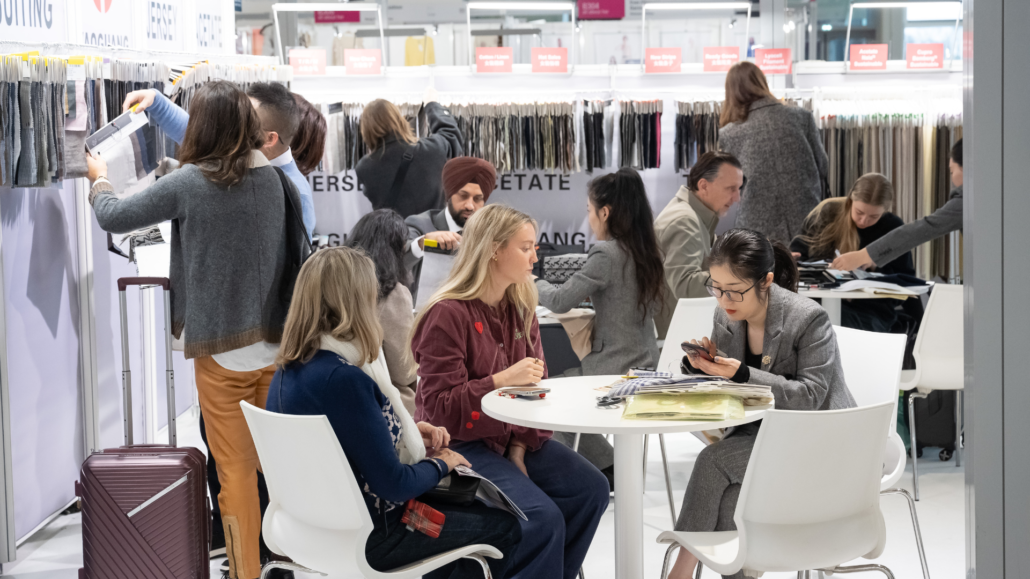
From August 31 to September 2, 2026, the 59th edition of Texworld Apparel Sourcing will take place in Paris, featuring over 1,000 international exhibitors.
In an interview with Julien Schmoll, Director of the Marketing & Communication Department at Messe Frankfurt France, we discuss the current challenges in procurement.
How is the geopolitical and economic situation affecting textile supply chains between Asia and Europe, particularly in China, India, and the T?
The industry is under pressure from U.S. tariffs on producing countries as well as the Iran crisis, which has driven up the cost of polyester. European buyers are therefore increasingly turning to diversified sourcing to spread risk. Despite a downward trend, China remains the EU’s most important supplier. Companies there are adaptable, are increasingly producing high-quality, sustainable goods, and are shifting capacity abroad when necessary. India is seen as an alternative but often fails to match China’s efficiency. The recent EU trade agreement and strong demand for cotton could boost its market share. Turkey is a key partner due to its proximity: short supply chains and expertise are advantages. However, political uncertainties, currency fluctuations, and rising labor costs are holding it back. Higher energy and transportation costs could strengthen its position.
Transportation costs have risen sharply. How does this affect procurement decisions?
Higher costs are squeezing margins and driving changes in strategy. Companies are diversifying their suppliers and increasingly turning to nearshoring—that is, sourcing from nearby regions. In addition, smaller, more frequent orders are being prioritized. Overall, the goal is to strike a balance between cost and speed. Logistics has become a critical factor.
What structural changes do you expect to see in supply chains in the future?
The trend toward diversification will continue. Multi-sourcing reduces risks associated with tariffs, political changes, or logistical disruptions. Countries closer to Europe—such as Turkey or African nations—could benefit. At the same time, demand for high-quality, sustainable, and traceable products is rising, driven by EU regulations. Major manufacturing countries like China are already adapting. In addition, technologies such as AI will make production and ordering more efficient and further optimize processes.


