Womenswear
Made to matter
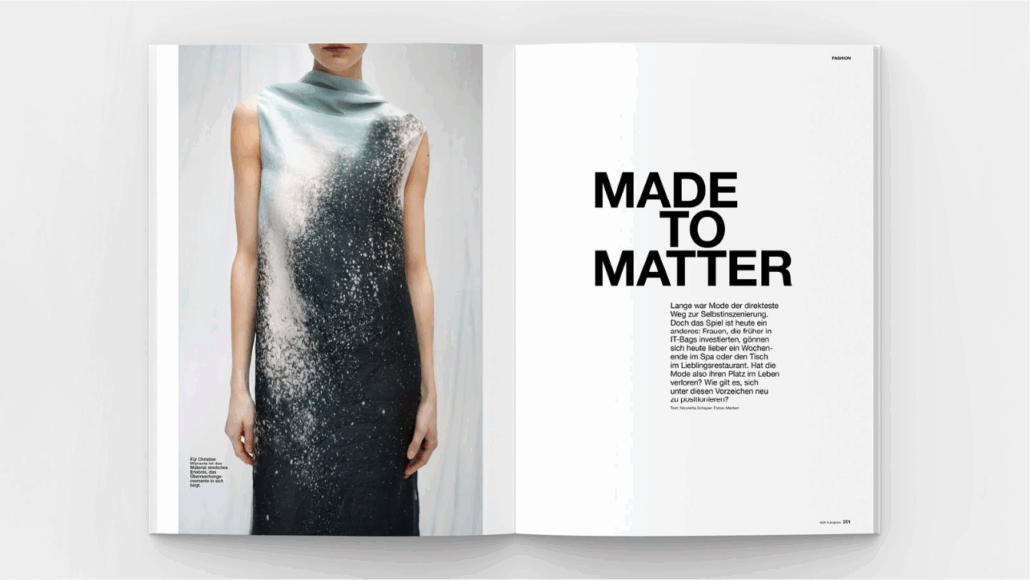
For a long time, fashion was the most direct route to self-expression. But today, the game has changed: women who used to invest in IT bags now prefer to treat themselves to a weekend at a spa or a table at their favorite restaurant. So has fashion lost its place in our lives? How can we reposition ourselves in light of these developments?
Text: Nicoletta Schaper. Photos: Brands
What is more important? A wool coat or wellness? Slowly but surely, a change has taken place. "Women's interests have definitely shifted away from pure products and toward lifestyle," observes Andrea Gallieri, Head of Design at Aspesi. "Even women who can afford expensive items are shifting their priorities and looking for something special." Today, many consumers prefer to invest in experiences rather than clothing. "City trips to shopping destinations are being replaced by yoga retreats in the mountains," says Theresa Steinbacher, co-founder of the cashmere label Warm Me. "The focus is on self-optimization. The 'best possible version of myself' is the mindset that shapes many consumer decisions. It takes real added value—for myself."
Today, moments are staged on Instagram. This reflects a new self-image that is all the more understandable in a world of constant digital input and artificial intelligence: the more communication takes place via screens, the more valuable real experiences become. Travel, wellness, sports, clean eating, clean beauty—all of these have challenged fashion for the top spot in consumer rankings. Today, available budgets are allocated differently. Behind this is a desire for essence, for something real, and a deeply personal need to do something good for oneself. "The way we consume has changed fundamentally," confirms Warren Guetta, CEO of Margaux Lonnberg. "Personal well-being has become essential for the modern woman."
The End of the Bubble
The fact that fashion is no longer automatically the first choice when it comes to spending money is also partly self-inflicted. Excessive prices, fluctuating quality, and constant sales have cost trust. According to Andrea Gallieri, exclusivity and identity have been lost to a certain extent, especially in the luxury segment. "Let's not repeat the mistakes of the luxury industry, which created a bubble, in the premium segment. Now we have reached the end of that bubble. Fashion is still being bought, but with a different mindset. The growing demand for secondhand and pre-loved fashion shows that consumers want something special and individual that represents them. As a brand, we too must offer real added value and provide reasons why our product is relevant in the first place."
Quality is the most obvious key to this. "Women are increasingly looking for timeless clothing,
that is high-quality, comfortable, and durable," explains Warren Guetta. "That is our motivation for the Margaux Lonnberg collection, and our success proves us right." Carlo Soffiantini, CEO of womenswear brand Kiltie, also sees quality, durability, and timeless design as an essential answer. "Fashion is now part of the lifestyle of modern women; it is no longer a detached and superordinate aspect. Instead, it has become a natural part of everyday life." This has reversed the relationship: "It's not the consumer who adapts to fashion, but fashion that adapts to the consumer's life," Theresa Steinbacher is convinced. "As a brand, we have to ask ourselves: What values do we convey, how do we appeal to our customers? Warm Me stands for 100% cashmere from Mongolia, made entirely in Nepal; we don't offer any mixed qualities. It's like clean eating: fewer ingredients, higher quality." For Theresa Steinbacher, the best chance of survival for a brand is to stay true to itself. "Given the many external influences today, that is the biggest challenge."
Moments made memorable
How can fashion truly move people again? By having substance. The magic of last fall's Chanel show remains fresh in many people's memories; it was even palpable on social media because Matthieu Blazy succeeded in preserving Chanel's DNA while infusing it with coolness and new energy. "It was pure joie de vivre," enthuses Ela van Afferden, owner of the Tuxedo store. "And it was real, everyone could feel that."
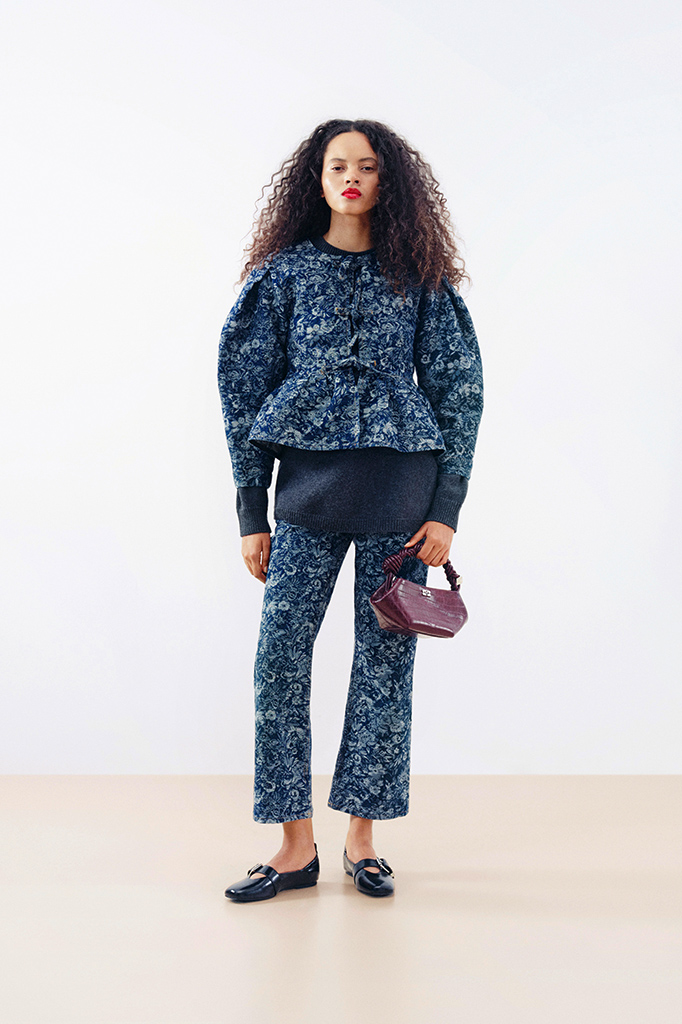
For Ditte Reffstrup, Creative Director at Ganni, her Spring/Summer 2026 collection was a childhood memory come true from the Danish fishing village of Hirtshals, where she grew up. This emotion was also intended to come across at the presentation at the Bastille Design Center in Paris: deliberately not presented as a classic fashion show, but staged as a memory. "We wanted to transform fleeting moments into something lasting, with a wardrobe that honors the past while giving the Ganni woman room to develop freely," Reffstrup describes.
Sensory Surprises
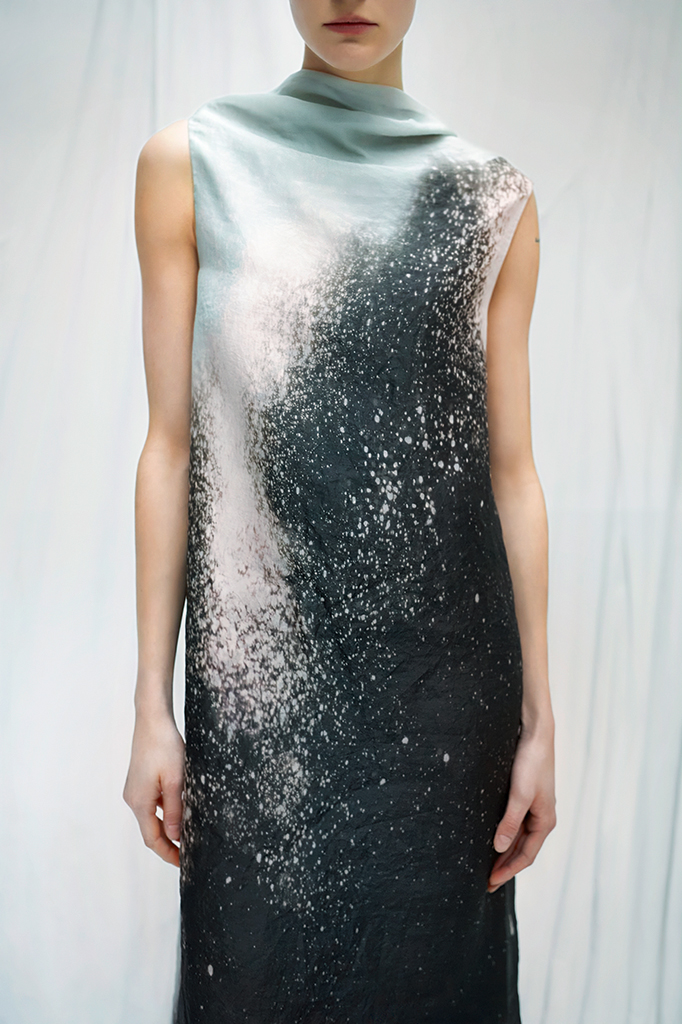
The fact that the experience is more important and that the craftsmanship in his fashion can be experienced is a key motivation for Christian Wijnants. "Precisely because everything is so quickly and easily available, the tactile aspect becomes more important," says the Belgian designer. "For me, design begins with the material, with the sensual feeling it evokes even before it is processed. I love working with materials that have an element of surprise. Cold-dyed viscose can look like suede from a distance, but feels smooth and light to the touch. Our prints start out as hand-painted works of art and go through many processing steps until the final print bears little resemblance to the original."
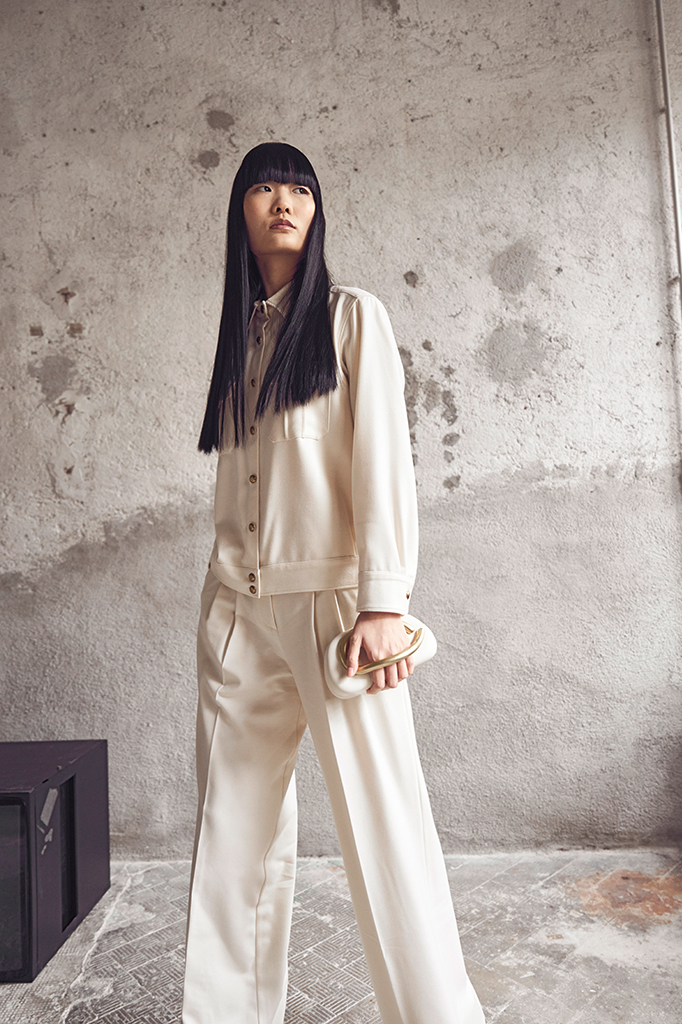
For Andrea Gallieri, it's not about creating exclusivity. "The classic understanding of luxury has lost its significance. Today, people want a personal, intimate connection to the product. That's why we're working less on changing it and more on how we communicate it: we want to involve people and show them something they can identify with." For Aspesi, the element of surprise is also crucial. "Alberto Aspesi already had a concept store in Milan before the term even existed, with high-quality products from other brands, art, and games," he says. "With the new Bazaar project, we want to return to these roots. Our stores are to become cultural hubs, in cooperation with curators and bookstores, with art exhibitions and workshops. Our flagship store in Milan kicked things off in November, and Rome, Florence, Madrid, Munich, and Tokyo will follow this year." For Warm Me, too, creating new touchpoints is a matter of course. "Our focus is on our community—with ambassadors from all walks of life, from hotels to beauty and sports to natural wine," explains Theresa Steinbacher. Hospitality provides the label with a stage: "In establishments such as the Forsthofgut, guests are open to new discoveries, and we can reach an international audience there." For the Oggau winery, Warm Me had scarves printed with the iconic wine labels. "It's great when you can surprise people where they least expect it!"
Where Fashion Meets Fate
Making fashion tangible offers enormous potential for brick-and-mortar retailers. For Liz Jefferson, the small boutiques in Notting Hill and Battersea were formative. The culture shock came when she moved to Sussex and decided to bring a piece of London with her. Today, she runs two Doodie Stark stores, including a converted barn in Lindfield, selling brands such as American Vintage, Rails, and Mos Mosh. Her audience? "Very mixed. We have women in their 50s and 60s, young mothers with strollers, and younger women who love hair bands and jewelry. The store is a popular destination for many, where my customers come to shop and socialize. First-time visitors often say, 'Wow, great, I love it!'" says Jefferson. "One customer had been shopping in London all day without finding anything. She found it here, with our advice. What a great validation!"
"Our customers are well informed thanks to social media, but they still like to come to our store," says Ela van Afferden. Her store, Tuxedo, in Düsseldorf-Oberkassel is like a second living room for many customers. "They appreciate that we take care of them, make suggestions, and put together looks." Her range reflects her love of craftsmanship, with brands such as Sofie D'Hoore, Odeeh, and Mii Collection. "I love collections that are free in their creativity, that sometimes have something crazy about them. And then a customer comes in, looking for a dark blue turtleneck, and leaves with a quilted velvet blouson by Pierre-Louis Mascia. Because it simply touches her. That's not a purchasing decision, that's fate!" For Ela van Afferden, many of the old gods of fashion have had their day. "That's why now is a wonderful time to implement something new, with real value, quality, and individuality. It's been a long time since things were as exciting as they are now."