Marymary
From Molecules to Magic
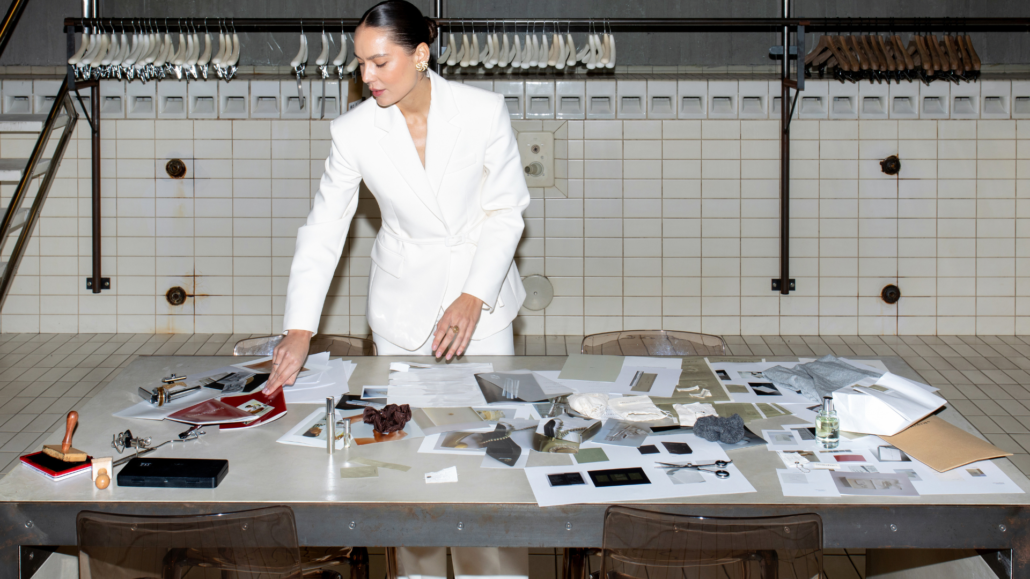
Marie Moehle, founder of niche fragrance brand by Marymary, on molecular reduction, premium positioning, and building her own brand.
Marie, how does a personal idea become a fragrance brand?
I first started my own business in the home sector in 2021. It was about table setting, a new interpretation of everyday aesthetics. At that point, fragrance was more of a personal question: what would a perfume that truly reflected my personality smell like? I spent a long time exploring niche fragrances, but never found one that I could say, "That's me." So I decided to fill that gap for myself.
Was it clear from the outset that this would become a brand?
No. It wasn't originally intended as a commercial product. "Escape the Ordinary" was initially a personal idea, also in view of my decision to leave a permanent job. The brand only came about as a result of the response it received. I distributed 30 unlabeled testers at my store opening for vintage design classics. Without a story, without an explanation. The demand for it was the real proof of concept.
How did the development of the fragrance proceed?
The first step led, as is traditional, to Grasse. I sent references, formulated my ideas, and received samples. Technically, it was fine, but it lacked identity. It was only when I started working with Uwe Manasse in Cologne that we found the right direction. Perfumers operate at the interface between art and science. I find this duality fascinating. We developed several designs, very finely graded. One problem was that certain molecules in the composition destabilized each other. The fragrance was off. Using an extended network, the formula was then rebuilt at the molecular level. Individual components were replaced without losing the olfactory idea. This process took several months.
How would you describe the composition?
Consciously reduced. I work with carefully selected, highly effective fragrance molecules. It's not about opulent diversity of notes, but about precision. The perfume should not dominate, but accompany. Subtle, but with a clear signature. For me, minimalism is not a design trend, but a structural approach.
How did you get into production?
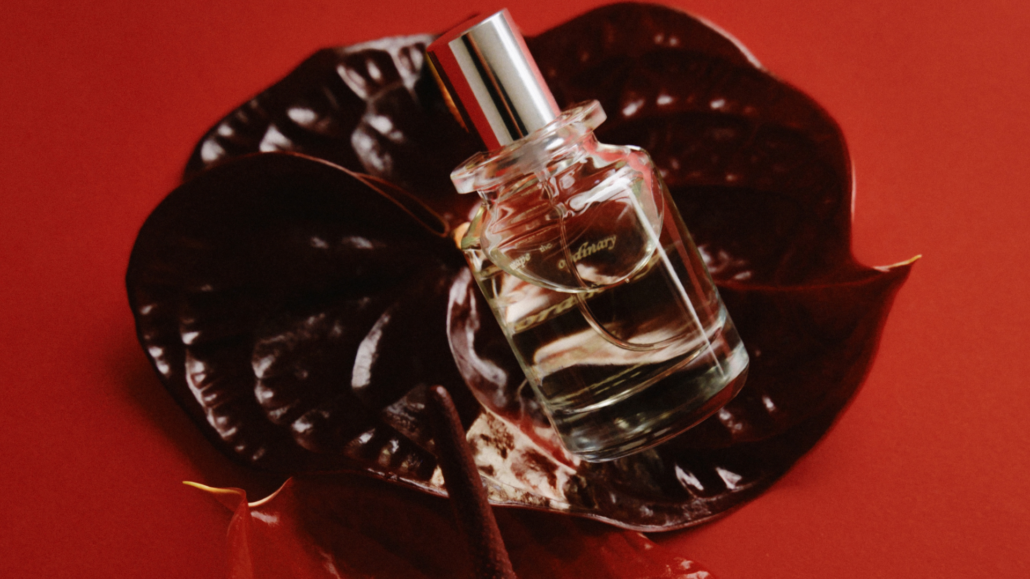
With 100 bottles. Unprinted blanks, assembled by hand. I applied the labels myself, cut the tags, numbered the caps from 1 to 100 with a hammer, stored everything in my apartment in Cologne, and shipped it out. It was a very lean start, but it gave me maximum flexibility. I didn't have any large upfront investments in packaging or printing because I didn't know how the market would react.
You introduced small sizes relatively early on. Was that strategic?
Yes. I started with a 3 ml size at a very low price to lower the barrier to entry. In the premium segment in particular, the risk for customers is high if they are expected to buy 50 ml right away. The smaller size was a test format. Today, there are 5 ml and 15 ml sizes that are refillable, and 50 ml. The refill concept is functional. It's about usage and continuity, not about flashy sustainability communication.
How do you position by Marymary in retail?
From the outset, I tried to position myself in the high-end segment. My strategy was to target the top accounts first and then expand more broadly if necessary. In Vienna, the brand is listed at Amicis, in Frankfurt at Hayashi, and in Munich at Sois Blessed, for example. In addition, there are curated stores with a more progressive orientation. Overall, I am currently active at around 30 points of sale.
You have now expanded your range to include scented candles. Was that a logical step?
In terms of content, yes, but not technically. You can't simply transfer a perfume formula into wax. Many molecules are not heat-stable. The candle had to be reinterpreted. I worked with a perfumer in Hamburg, production takes place in Hanover, and the containers are handmade. The development took almost two years. For me, it was clear: if we expand, it will only be with the same precision as with perfume.
What does "Escape the Ordinary" mean to you today as an entrepreneur?
It's less of a claim and more of a way of working. No unnecessary complexity, no oversupply, no actionism. I believe in quality over excess. In a clear fragrance signature over trend cycles. And in the fact that reduction can be a stronger stance than staging in the luxury segment. Ultimately, it's about creating something that lasts. On the skin, in the room, and in the memory.


