Leadinterview Carlota Rodben X Mans Nelson
The Shape of Becoming
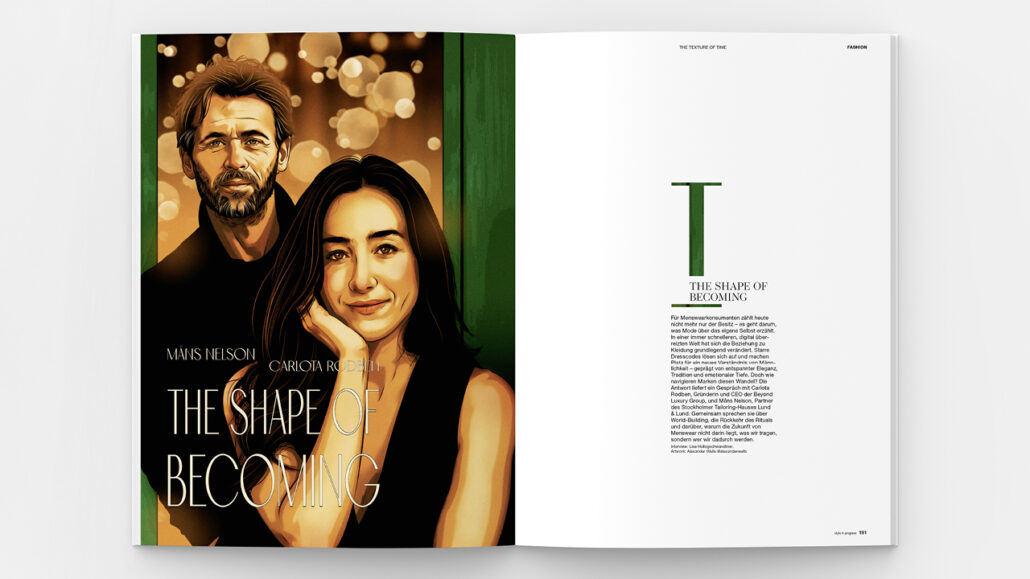
For menswear consumers today, it’s no longer just about ownership—it’s about what fashion says about who they are.
In an increasingly fast-paced, digitally overstimulated world, our relationship with clothing has fundamentally changed. Rigid dress codes are dissolving, making way for a new understanding of masculinity—characterized by relaxed elegance, tradition, and emotional depth. But how are brands navigating this shift? The answer comes from a conversation with Carlota Rodben, founder and CEO of the Beyond Luxury Group, and Måns Nelson, a partner at the Stockholm-based tailoring house Lund & Lund. Together, they discuss world-building, the return of ritual, and why the future of menswear lies not in what we wear, but in who we become through it.
Text: Lisa Hollogschwandtner. Illustration: Alexander Wells @alexanderwells
I’m really excited to bring your two perspectives together for our 100th issue. Let’s jump right in: We’re currently seeing a significant shift in menswear—especially in how people approach fashion and luxury today. Heritage and traditional codes are very much in the spotlight right now. Do you agree with this observation?
Måns Nelson: Yes, absolutely—though the timeline is fascinating. Even before the pandemic, there was a strong influence from classic, tailored men’s fashion. Back then, when I flew to Florence for Pitti Uomo, you’d see people everywhere drawing inspiration from “old-school” menswear and using it to create something completely new. We worked a lot with small, specialized brands from places like Naples that produced beautiful, handmade pieces. With the pandemic, however, what customers—at least ours—are looking for has changed. As a store, we’ve shifted more toward “quiet luxury,” the aesthetic you see in shows like *Succession*. Many of our customers still prefer this more relaxed, laid-back style today. Heritage remains, but the strict, formal tailoring culture of the past has become significantly softer.
Carlota Rodben: From a cultural perspective, men have been heavily into streetwear and logo-heavy branding in recent years. There was a huge, digitally amplified hype around it. Today, however, I see a shift. Nostalgia plays a big role in this. Men are once again turning to garments with more meaning—pieces that they associate with something they know or remember from the past. It’s a return to tailoring, but—as Måns says—much more fluid and relaxed than before. No longer the oversized streetwear silhouette, but also no longer the strict corporate looks of past decades. At the same time, there’s a growing appreciation for well-made clothing. You can see this in the men who are currently shaping the cultural zeitgeist—personalities like Pedro Pascal or Jacob Elordi. They symbolize a new form of masculinity. Men are developing their own sense of style more strongly and, in doing so, are in some cases embracing more feminine silhouettes.
Carlota, given your expertise in AI: Do you think this new focus on craftsmanship and quality is an emotional response to our increasingly digital world?
Carlota Rodben: The short answer is: Yes. We’re currently living in a “burnout society.” Everything revolves around constant self-optimization—a kind of compulsive freedom, to borrow a philosophical concept. Because AI and the digital world make everything instantly available at any time, there’s simultaneously a strong emotional longing for rituals. Applied to fashion, this means that the ritual of getting dressed is regaining significance, just as is the ritual of actually going to a store and buying something. Studies show that while Millennials continue to shop heavily online, Gen Z and Gen Alpha are consciously choosing to visit stores again. Because so much of their lives takes place in a digital vacuum, they want to touch and experience things. Especially with luxury or vintage items, it’s about experiencing a journey into the past. They want to see the craftsmanship, feel the fabrics, and understand whose hands made what they’re wearing. This automatically changes how they feel about themselves. The ritual of getting up in the morning and dressing well transforms their self-image. For men, this goes beyond the mere function of a garment.
Craftsmanship and tradition have always been the foundation of Lund & Lund. Måns, have you also noticed this shift in how your customers perceive craftsmanship and quality?
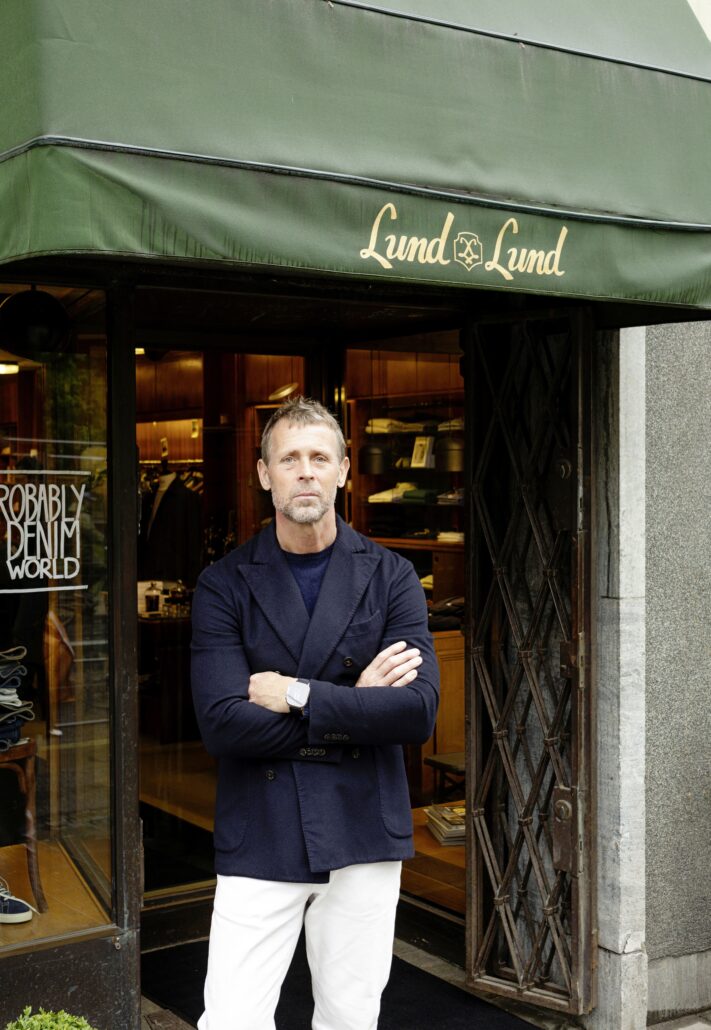
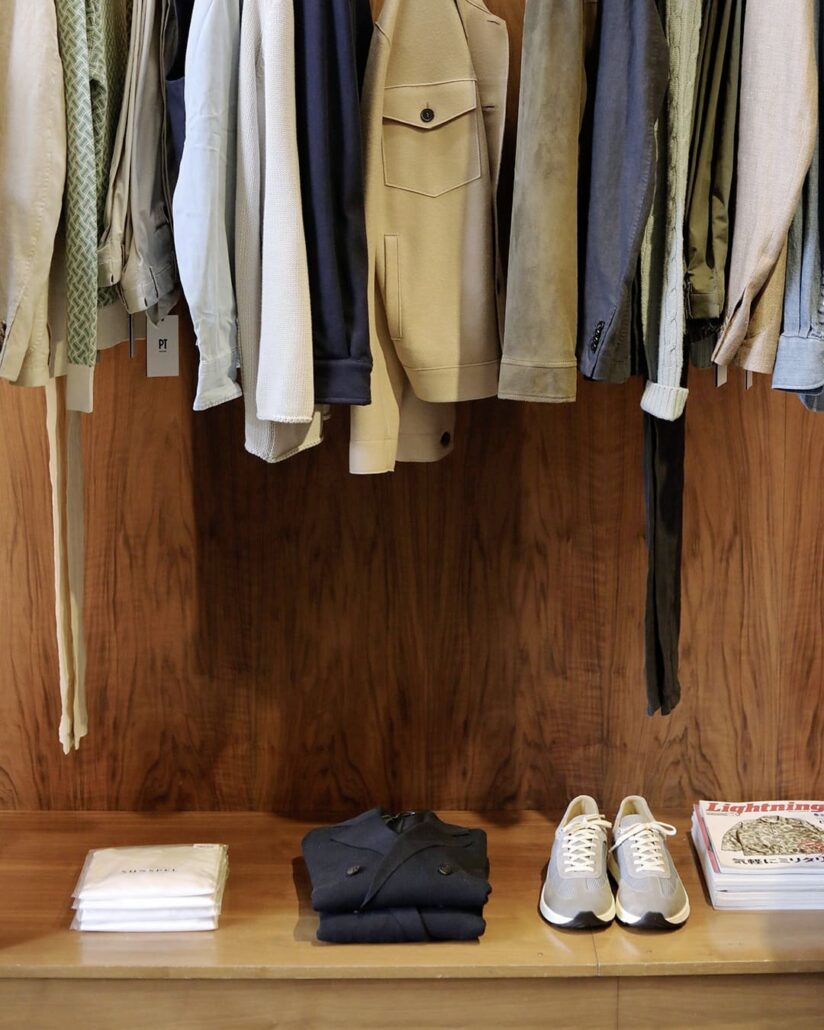
Måns Nelson: Definitely. Lund & Lund was founded in 1963—originally as a classic bespoke tailoring house for suits, pants, and jackets. It has always been a traditional gentlemen’s store. However, when I became a partner ten years ago, we wanted to make a subtle but significant change. We adjusted our brand mix and our approach, focusing more strongly on a younger target audience between the ages of about 30 and 50. I firmly believe that if you want to get people—especially younger generations—to step away from their screens and come into a physical space, a store has to offer far more than just clothing. It has to be a place where people want to linger. That’s why we’ve put an incredible amount of work into our interior design to create an atmosphere that feels more like a boutique hotel. Many young customers come in just for this ambiance—and that’s exactly why they keep coming back. Today, shopping has to evoke an emotional response.
That leads perfectly to a concept you often talk about, Carlota: the shift from material to emotional value. How important is this emotional experience for retail and consumer behavior today?
Måns Nelson: Before Carlota answers, here’s one more observation from Stockholm: H&M recently reopened a huge flagship store in the city center. The concept is completely different from before—it’s much more focused on the experience. It feels less like a store and more like an exhibition space or showroom. This shows that, no matter who you are, you have to offer something that goes beyond clothing these days.
Carlota Rodben: That’s exactly what it’s all about. Luxury is currently undergoing a fundamental shift: away from “having” and toward “becoming.” Applied to menswear and this new definition of masculinity, that means a complete reorientation. When you shift from “having” to “becoming,” you’re not just buying a suit or a pair of shoes. The product becomes part of the person you want to be. Luxury fashion essentially bridges the gap between the “me” of today and the “me” of the future. When a garment or an experience narrows that gap, the purchase stems from genuine emotion—not simply because you need something else in your closet. Men today are interested in fashion because it helps them get closer to this modern image of masculinity. That’s why even brands without their own menswear lines—like Chanel—are collaborating with men like A$AP Rocky or Jacob Elordi. They embody this very cultural shift. Men are redefining their identity and consuming with a completely different mindset.
Måns, when you look at day-to-day life in the store, do you notice that customers today make purchases based more on emotion than purely on reason?
Måns Nelson: It’s a mix, but the shift is clear. Of course, there are still customers who simply need a suit for work, don’t like shopping, and just want to get it over with. But the other group—especially men between the ages of 25 and 40—is extremely interested and makes informed choices. They get inspiration and information from social media and in-depth online research. In recent years, I’ve noticed that it’s become almost impossible to sell someone something they don’t feel a genuine connection to. Ten years ago, you could simply sell a man a pair of pants because he needed them. Today, he’s looking for a very specific silhouette: a certain rise, a looser fit, a special fabric. Customers today know exactly what story they want to tell with their clothes.
Storytelling fills exactly this gap—especially when it comes to things people don't necessarily need, but definitely want to have. How important is storytelling today for conveying a product's value?
Måns Nelson: That’s essential for us. Whenever we introduce something new to the store—a new brand or a special collaboration with a partner from Italy or Japan—we always make sure there’s a clear story behind it. It’s about getting customers excited about the “why.” And when we succeed in doing that, the product sells incredibly well. People today are really hungry for stories.
Carlota Rodben: Storytelling is everything—but the way stories are told has completely changed. The generations shaping culture today grew up with social media. They’ve always been able to join the conversation, comment, and participate. The old model, where brands simply tell a story from above, no longer works. Today, people want to be part of the story. In fact, we’re moving from storytelling to story-participating. It’s no longer just about what a brand tells, but whether people can see themselves in that world. Chanel is a good example of this. A core idea of the house has always been women’s emancipation. But today, emancipation looks different. No longer the strict tweed two-piece suit, but Margot Robbie in jeans, a loose white shirt, and a tweed jacket, walking through the city with a large bag slung over her shoulder—elegant, comfortable, powerful, and completely effortless. And women think: That could be me. Storytelling regains its power precisely when people don’t just admire the story, but emotionally immerse themselves in it.
This brings us to a major challenge for traditional brands: How do you strike a balance between heritage and the present without coming across as too nostalgic?
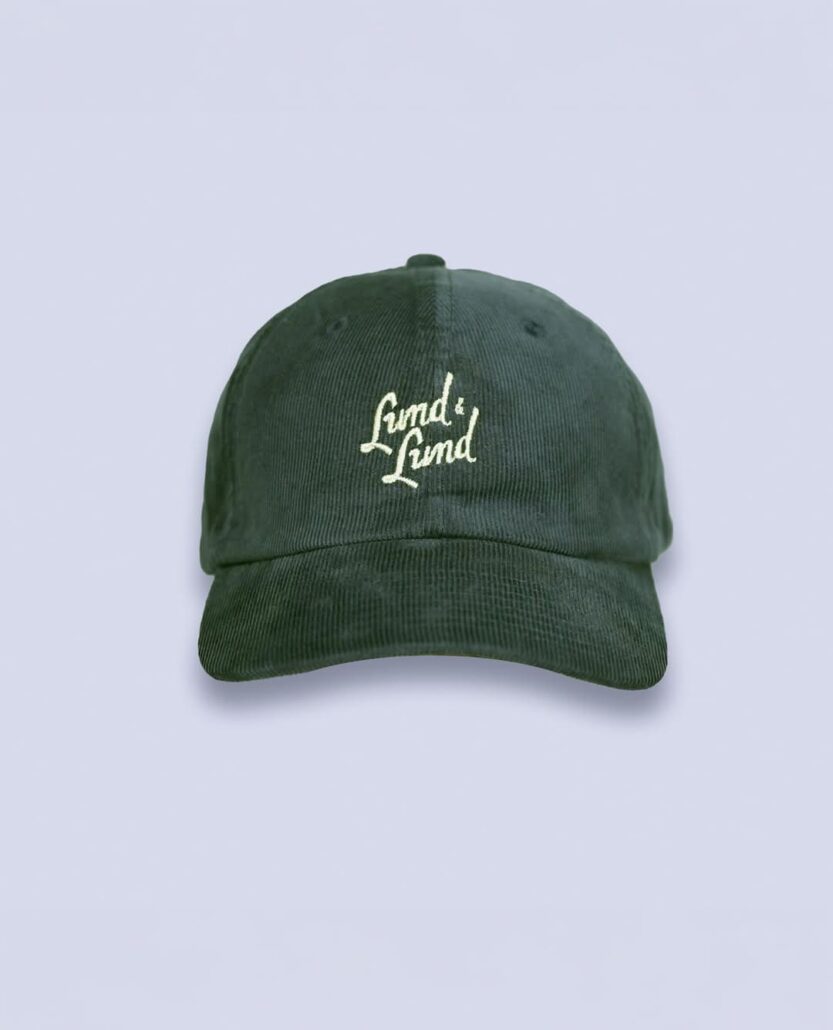
Måns Nelson: It’s a fine line, but people love heritage when it’s told the right way. For example, we recently created a small collection to celebrate the history of Lund & Lund. It included a simple dad cap with our modernized logo on the front and our founding year on the back. To my surprise, the cap sold out online within two hours. That showed me that our younger customers really appreciate the brand’s history and prestige. They just want to experience it in a contemporary way. The history should fit into their lives today.
Carlota Rodben: That is precisely the biggest challenge for brands: How do you stay true to your history while still innovating in a credible way? The key lies in taking the core message a step further. Take Louis Vuitton, for example. The brand has always centered on the traveler. They were the leading trunk makers of their time—essentially the Rimowa of their era. Innovation, then, doesn’t mean simply continuing to make the same old trunks, but rather asking: What does the traveler look like today? What do they need to travel in style and with a modern touch today? It’s a bit like an ancient sacred text: you don’t read it word for word and apply it one-to-one to the present. You reinterpret its meaning for life today. These brands are over 150 years old. Their history remains powerful, but how it’s interpreted must evolve.
To wrap up, I’d like to look ahead with you: What will define true luxury and true value in menswear in the coming years?
Måns Nelson: For independent stores like ours, the future lies in offering more than just selling products. We need to build a community. That’s why we host more events with our suppliers—sometimes we even set up a small bar in the store—so people can stop by, chat, and connect. We need to become a place where people actively choose to go. Human connection will be the true luxury of the future.
Carlota Rodben: I completely agree with Måns. Today, brands have to sell something bigger than just the product itself. They have to sell a world—and that requires world-building. Many heritage brands are actually perfectly positioned for this: they have strong codes, clear values, colors, and identities that people recognize immediately. The challenge lies in turning these into a vibrant world that people truly want to be a part of. Because luxury is shifting—and I’m repeating myself on purpose—from “having” to “becoming.” Today, people aren’t just buying a product; they’re buying a lifestyle, an aura, a vision of who they want to be. Fashion becomes part of their own identity formation.
At the same time, uniformity is becoming increasingly noticeable. Everyone sees the same trends, the same references, the same algorithms. And with AI-powered styling, even good taste is becoming more accessible—and thus more commonplace. To feel special, people will therefore seek out worlds that seem more distinctive, more personal, and emotionally unique. This is precisely why independent brands and artisans will gain enormous significance. No one wants to wear the exact runway look anymore, because it has become too visible and too familiar. People want that vintage piece, that hidden artisan in Italy, that garment no one else knows about. The construction of one’s own self will be increasingly linked to the worlds to which people want to belong—through brands, clothing, and the way they express themselves.
To wrap things up, I’d like to ask you a personal question: What does true value mean to you—in fashion or in life in general?
Måns Nelson: On a personal level, spending time with my family is what matters most to me. Experiencing things together and making a conscious effort to get my children—and myself—away from our cell phones. Going for hikes, being outdoors. It’s about being truly present and taking in the people and things around you. I believe that this grounded presence will be something incredibly valuable and rare for many people in the future.
Carlota Rodben: For me, a product or experience has real value when I feel that it changes something within me. In fashion, it’s that particular piece of clothing that, the moment I put it on, immediately makes me feel more confident as soon as I walk into a room. In life, it’s experiences that give me a deep sense of peace or absolute clarity. Perhaps you could put it this way: True value doesn’t come from possession, but from transformation.
MÅNS NELSON
As a leading figure in Scandinavian menswear retail, Måns Nelson’s career began in the early 1990s. His career path took him through various stages of the fashion world—from the Italian label Manuel Ritz Pipò to roles at Armani and on to brands such as Kenzo and Cerruti. After gaining this international experience, he moved into multi-brand retail and played a key role in establishing the men’s wear store Gabucci in Stockholm, which has since become a fixture in the Scandinavian market.
About ten years ago, he became a partner at Lund & Lund, one of Stockholm’s most renowned men’s wear stores. Since joining the company, he has played a decisive role in shaping the brand and its direction—from the curated selection of brands and the development of the target customer base to the expansion of the online store.
His focus has always been on buying and creative assortment design. With a keen sense for brands, quality, and customer needs, he combines traditional retail expertise with a modern understanding of the evolution of menswear today.
CARLOTA RODBEN
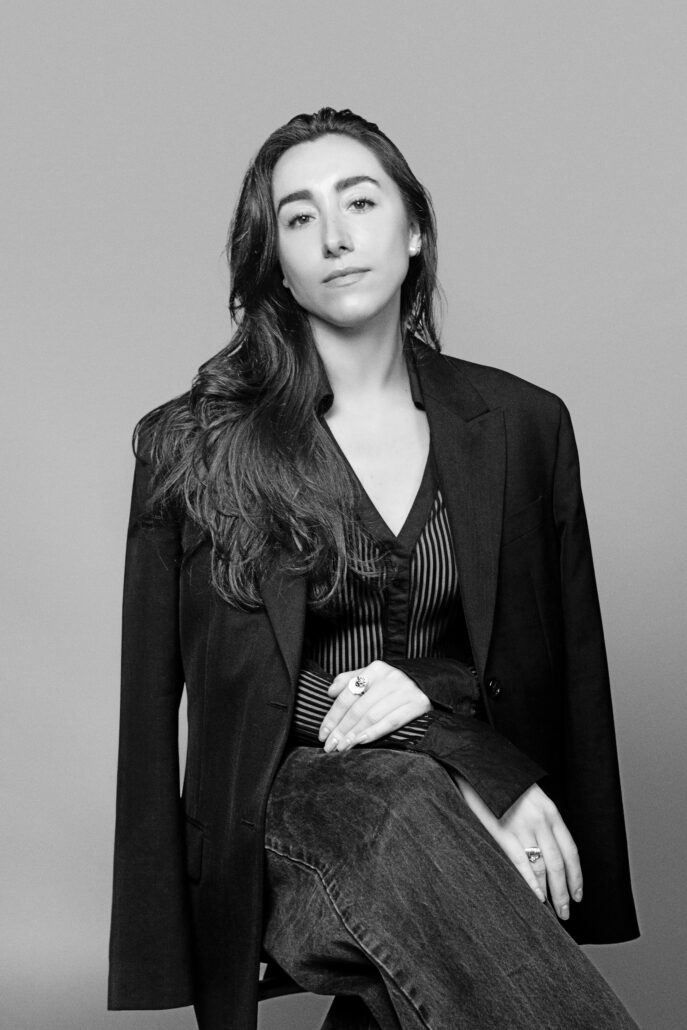
As founder and CEO of the Beyond Luxury Group, a media and advisory platform at the intersection of luxury, culture, and future strategy, Carlota Rodben helps companies translate cultural shifts into clear strategic decisions.
Her work combines storytelling, innovation, and human experience with a focus on how luxury is redefining itself in a changing world. Previously, she served as Head of Innovation at Chanel and brings nearly a decade of experience in the luxury industry.
She is the author of *Beauty As It Is* and *Beyond Luxury – The Promise of Emotion*, as well as co-author of *Luxe Renaissance* (2026). She also hosts the Beyond Luxury Podcast and a leading Substack publication in the business sector.
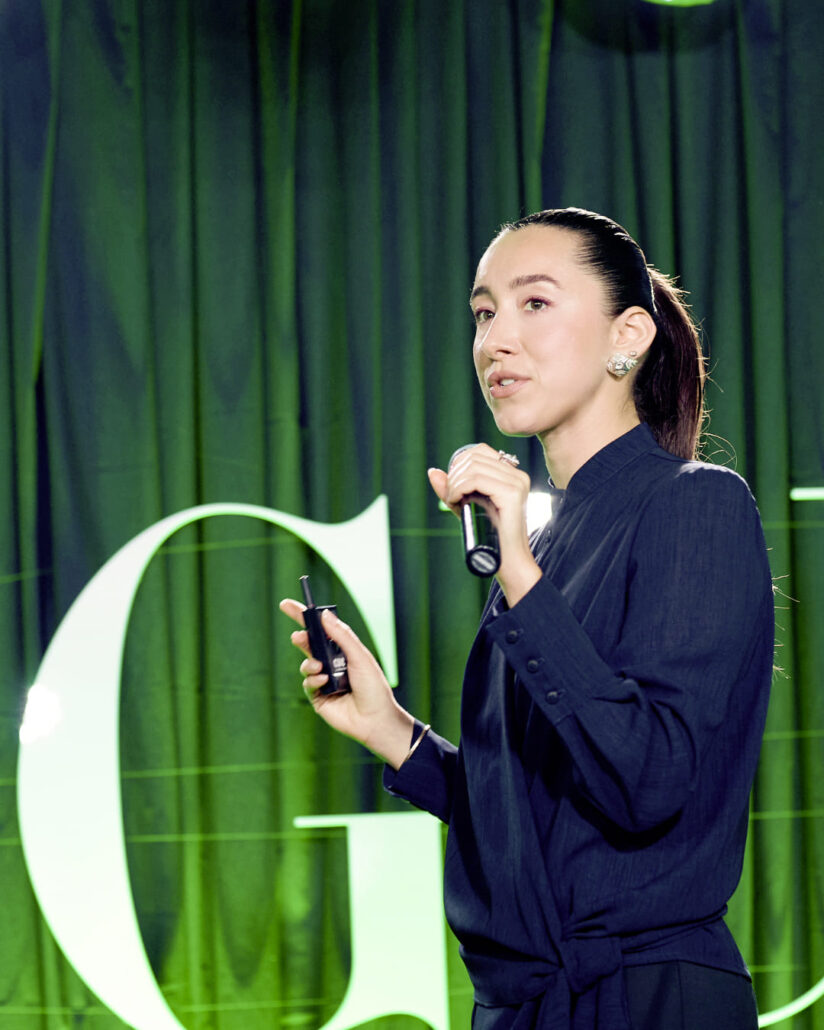
Carlota speaks internationally for organizations such as Vogue, Google, and Goldman Sachs; was named a Top Luxury Voice in 2026; and teaches at institutions including IE University, NYU, and ESADE. Today, she advises luxury and hospitality brands as well as investors worldwide on developing forward-looking strategies, making her a powerful voice for the future of the industry.
@carlotarodben, @beyondluxury.group