Statements
Retail Perspectives

Chance Meets Choice
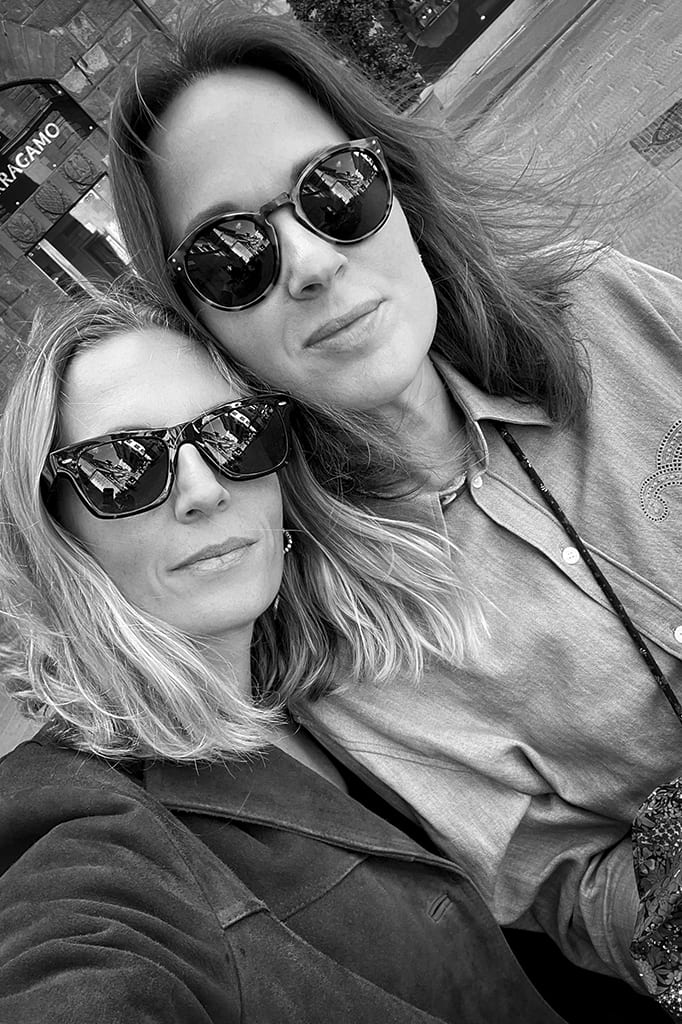
“One of the biggest challenges in the pre-loved luxury sector is that we never know exactly which pieces we’ll be able to offer on any given day, since this depends on the items entrusted to us on a consignment basis. At the same time, our focus on a curated selection—prioritizing relevance, style, timelessness, brand heritage, and enduring quality over short-term trends—creates a unique, high-quality shopping experience. The importance of pre-loved luxury in the fashion market has been growing for years, yet we are convinced that Second Cycle would not exist without the primary market. We therefore view the concept as a complement, not a replacement.”
Camilla Kleemann and Kathrine Gøtke Jørgensen, owners of I Blame Lulu
www.iblamelulu.com, @iblamelulu
Continue with the current approach
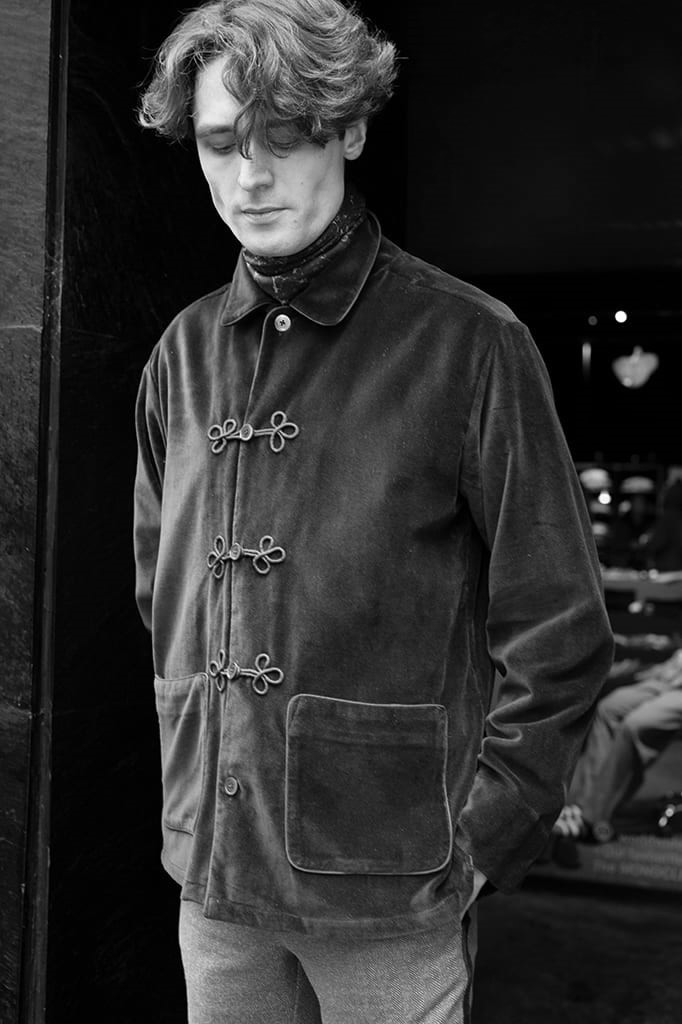
“Indie comes from silk—that’s why it was only natural for us to include vintage kimonos from Japan in our collection right from the start. The idea behind Second Cycle fits perfectly with our concept. The founders, Praline Le Moult and Harri Cherkoori, have also developed their own line, in which we work with deadstock fabrics and historical materials. For us, it’s less about categories and more about continuity: building on what already exists, recontextualizing it, and naturally thinking beyond our regular collection.”
Taras Komisaruk, Communications Lead, Indie, Vienna
@indie_vienna
There's no need for anything new
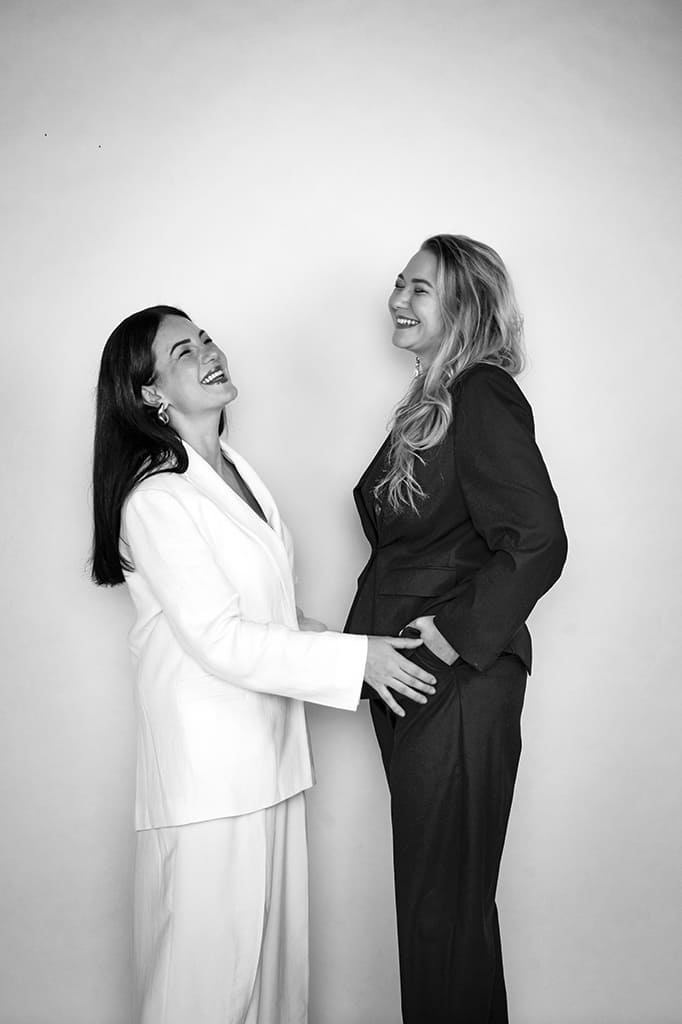
“When you see how many products already exist, the question of what’s new hardly comes up anymore. Secondhand items show the quality and craftsmanship that used to be taken for granted. You’re not just buying clothes—you’re buying a piece of history. Much of what’s created today is essentially just a reissue. To me, it defies all logic to produce even more when so much of value already exists. And that’s precisely where the opportunity lies to make consumption more conscious and appreciative again. Our customers at Maison Rivée share this mindset—we now ship all over the world.”
Edisa Shahini and Maria Ratzinger, founders of Maison Rivée
www.maisonrivee.com, @maisonrivee
Found Around the World
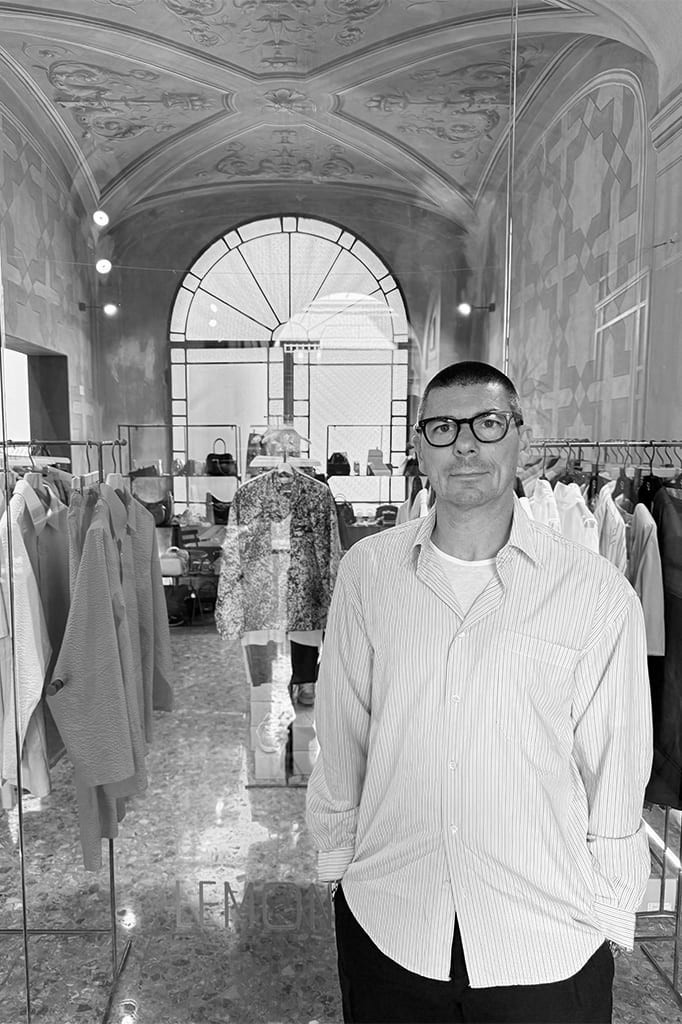
“With our FOTW* label— Found Around the World —we highlight special one-of-a-kind pieces that we’re constantly sourcing in Europe, Asia, and the Americas: vintage, secondhand, and upcycled. The asterisk represents their second story. We find inspiration in places like the Rose Bowl Flea Market in Pasadena. These finds complement our regular collections and create new contexts—keeping our selection vibrant and constantly evolving.”
Marco Ghetti, Owner of Lemon Lugo
www.lemonshop.it, @lemonlugo
"Will" remains the decisive factor
“A second-cycle always presupposes a first-cycle. Second-cycle models are therefore not an independent parallel system, but a long-overdue complement to the traditional fashion retail industry. What’s fascinating to us is that consumer behavior and the underlying motivation hardly differ between the first and second cycles: If someone wants a specific jacket, they’ll order it—even if it means shipping it from America—regardless of whether it’s from the spring/summer collection of 2026 or 2006. The desire to own a product remains the deciding factor!”
Lukas and Clemens Hoecker, co-founders of Opening Act
www.opening-act.eu/de, @opening.act
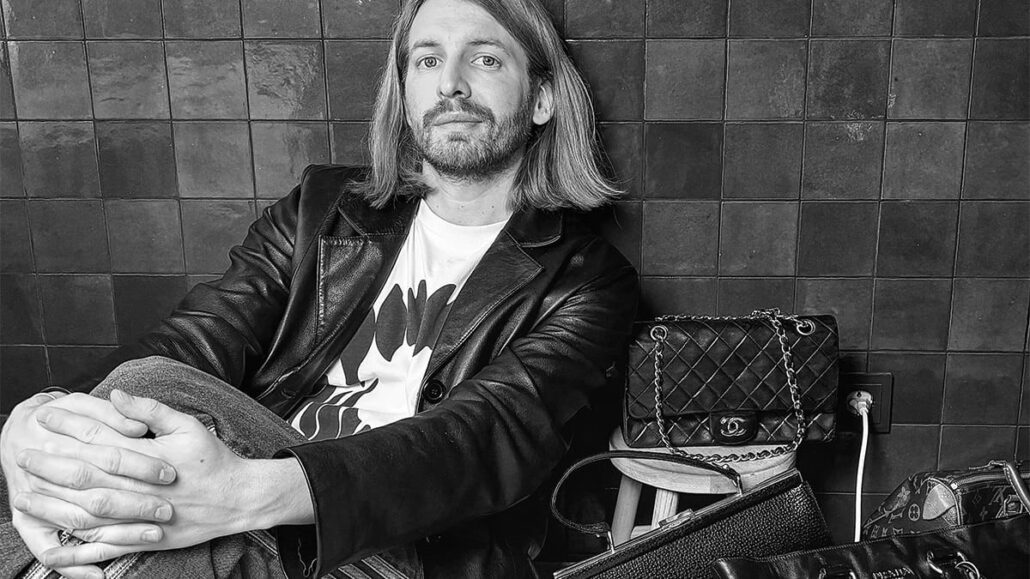
Honest Cycle
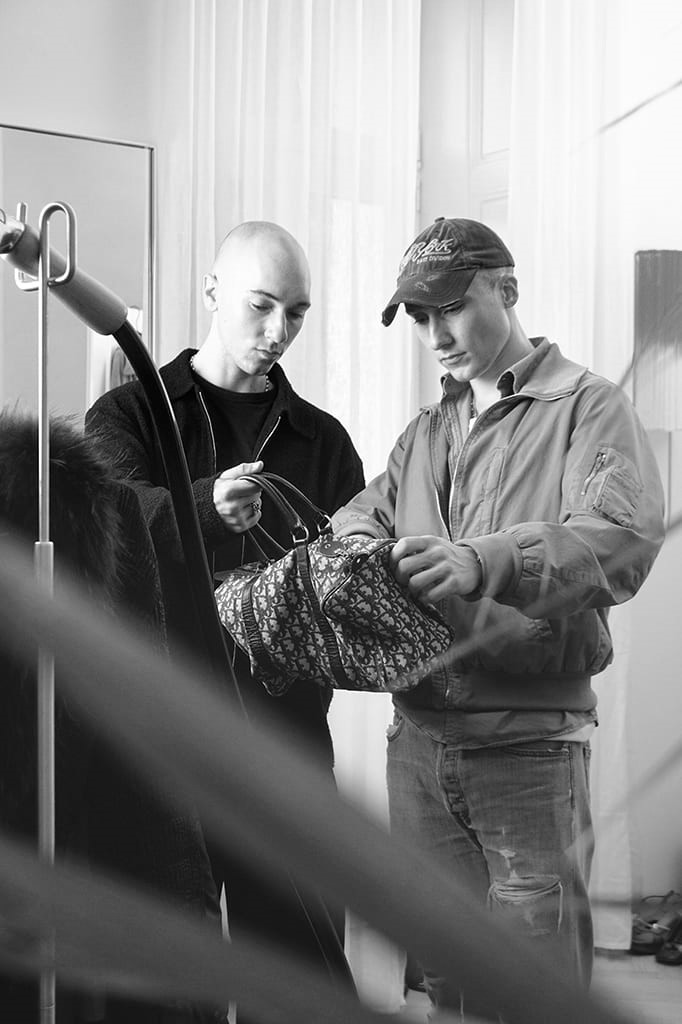
“Bagsare no longer automatically rare just because they bear a well-known name. This also changes the central question. It’s less about whether something is new, and more about whether it’s truly interesting, whether a bag has character, whether the material ages beautifully, whether the design stands the test of time, or whether it will be forgotten after just one season. When I can buy a damaged bag at a low price, have it professionally restored, and resell it at a fair price, it creates an honest cycle. The profit margin isn’t always maximized—economically speaking, other approaches might sometimes be more efficient. In the long run, however, I find this approach more appealing because it’s credible. Customers can tell very clearly whether something has substance, and they come back.”
David Meran, Founder of Borsa Nera
www.borsanera.at, @borsa_nera