LilyEve
One-of-a-Kind

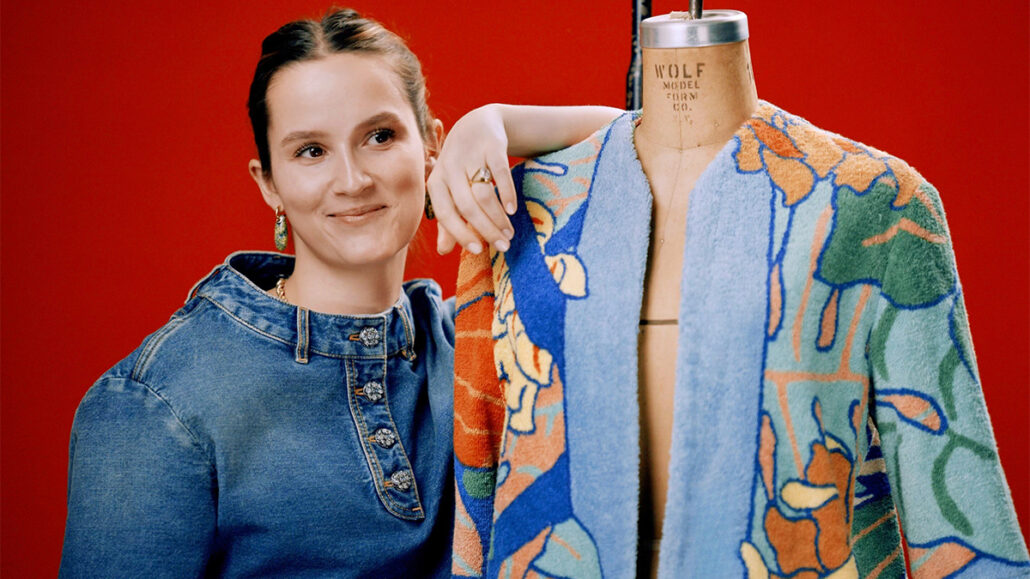
LilyEve, founded in New York in 2020 by Lily Clempson, specializes in couture made from pre-owned Hermès textiles and deadstock. Here, upcycling is not a compromise, but a deliberate luxury model. A conversation about sourcing and scalability in the second-cycle segment.
Interview: Janaina Engelmann-Brothánek. Photos: LilyEve
Lily, let's take a look at the beginnings of your brand.
Lily Clempson, founder and designer of LilyEve: During the pandemic, I moved back to my parents’ home in East Hampton and came across some inherited Hermès towels in their house. I decided to make masks out of them to raise money for the Food Bank in New York. As the first sales came in, more and more people took notice, brought me their own Hermès pieces, and after that, it wasn’t just about masks anymore.
You still work with existing luxury products today. What does that mean for the design process?
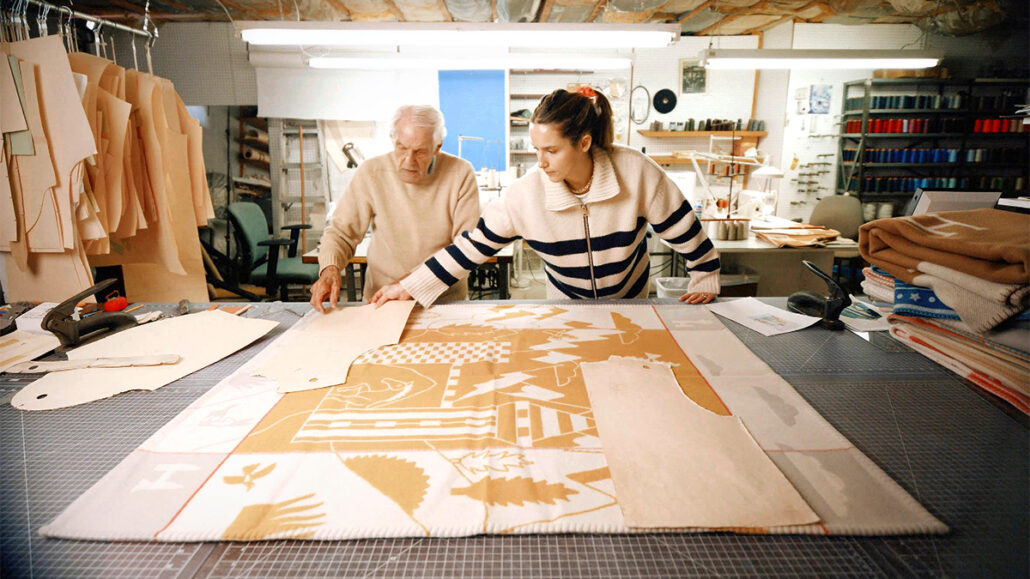
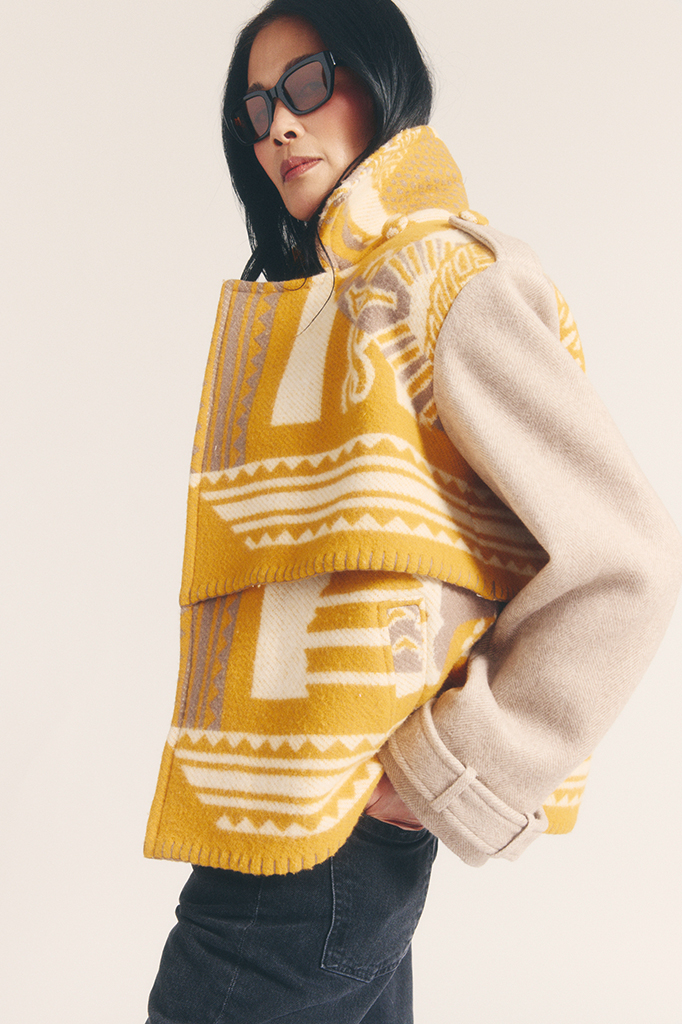
Deadstock isn't a problem—it's the starting point. These pieces offer quality, history, and a strong visual identity. Our silhouettes are intentionally minimalist to let the fabrics take center stage.
That's where Michel comes in.
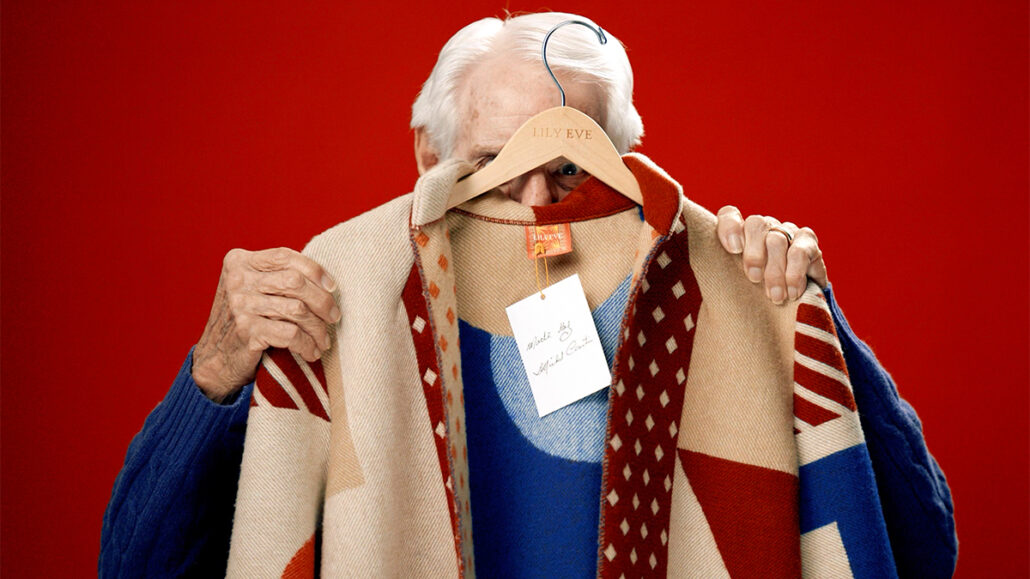
That's right, Michel is 92 years old and a tailor, and he still designs all the blanket jackets to this day. We work with his patterns—clear, precise, and without unnecessary complexity.
You work with weekly drops instead of traditional seasons. Why?
Every Monday, new Blanket Jackets—our bestsellers—go online—usually six to seven pieces. That’s exactly how many we were able to produce the week before. This approach is honest: We only show what’s actually available. Our community knows that. Many follow the drops on Instagram and through our newsletter—which now has a waiting list of over 400 people.
What does that mean for your growth?
Growth here doesn't depend on volume; arbitrary scaling isn't possible because the material is limited. Nevertheless, we can grow in a controlled manner through margins, pricing structure, and direct customer relationships. On good days, we sell four to five jackets. It's not a mass-market business, but it's economically viable.
How is traditional retail reacting to your business model?
It was difficult at first because buyers think in terms of quantities. Today, it’s clear that the opposite approach works just as well. Uniqueness creates relevance within the product lineup. The fact that we’re carried at Bergdorf Goodman in New York and sell very well through our own website shows that a limited-edition, one-of-a-kind model can also be commercially viable in retail.
What can we infer from your approach regarding the future of (luxury) retail?
A product has more than just one moment. It can be reinterpreted, worn in new ways, and brought into another cycle. For retailers, this means that relevance no longer comes from quantity or seasons, but from selection and context. One-of-a-kind items extend product cycles, create differentiation, and can also work in traditional retail. The future lies not in “more,” but in “better.”
This interview was conducted prior to Michel’s unexpected passing. As style in progress, we extend our deepest condolences to Lily Clempson, Michel’s family, and all his loved ones.