Ecoalf
The Sea and the Soil
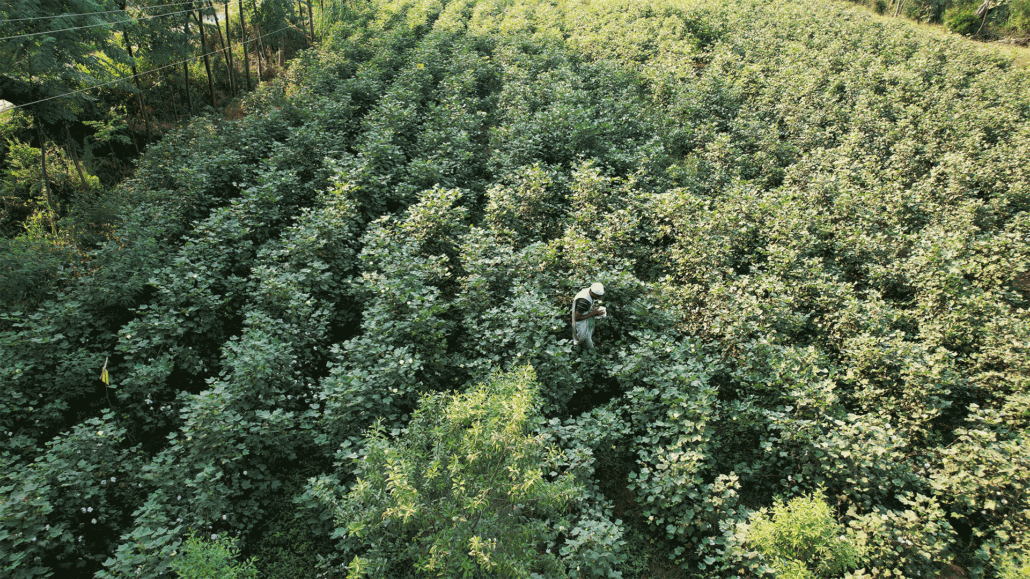
Ecoalf has made a name for itself with its initiatives to clean up the oceans. Fishing nets were turned into sneakers, plastic bottles into parkas. The Spanish brand stood for recycling even before it became a trend and proved that value can be created from waste. But even pioneering work has its limits. Now the brand is starting a new chapter - and it begins with regenerative cotton.
Text: Stephan Huber. Photos: Ecoalf
"We never saw recycling as the end goal," says Carolina Álvarez-Ossorio. "On the contrary, it was just the beginning." A new, bold, progressive chapter is now emerging from this beginning: regeneration. "We have always protected the sea. Now we are committed to regenerating the land," explains Carolina. "These are the two pillars of our future."
But what exactly does regeneration mean, specifically regenerative cotton? In contrast to conventional or even organic farming, regenerative agriculture rebuilds ecosystems. It aims to restore soil health, increase biodiversity, improve the water cycle, sequester carbon and benefit the community. "An organic cotton farm is quiet - almost dead. Regenerative farming, on the other hand, is alive," Carolina explains. "You hear insects, see bugs, birds and worms. It's a living system."
The results speak for themselves: in India, Ecoalf has entered into a partnership with Materra and is cooperating with farmers in the Ahmedabad region. This season, they produced 2,100 kilos of cotton and renewed 51,000 square meters of damaged land. For the coming spring/summer 2026 season, the figure is even higher at 27,000 kilos - meaning a total of 657,000 square meters of land will be restored. As part of the initiative, Ecoalf is presenting its first woven collection made from 100% regenerative cotton and natural dyes, including T-shirts, cargo pants, dresses and shirts. "The quality is incredible," says Carolina. "The fabric is soft and light. When we showed the farmers the T-shirts, they were amazed. They couldn't believe that the fabric came from their own fields." This kind of circular economy starts with trust and ends with pride.
In future, Ecoalf does not want to limit itself to cotton; regenerative wool is already being developed for the winter collections. "This is not a trend," emphasizes Carolina. "It's the only tool available to combat climate change. Regeneration is about restoring what has been damaged. And that applies far beyond fashion."
This makes education a central part of the strategy - be it through training for farmers, raising consumer awareness or cross-sector partnerships. What is the long-term dream? "We would like to create something like an Ecoalf House. A place where we can share everything we have learned with others."
This vision underscores a broader realization. True innovation lies not in the product, but in the perspective. Recycling has taught us how to deal with waste. Regeneration asks us to work with nature. The process is slower - less linear. "It's not about doing more," explains Carolina. "It's about doing it differently. And doing it better - together."

