A.N.G.E.L.O
Father of Vintage

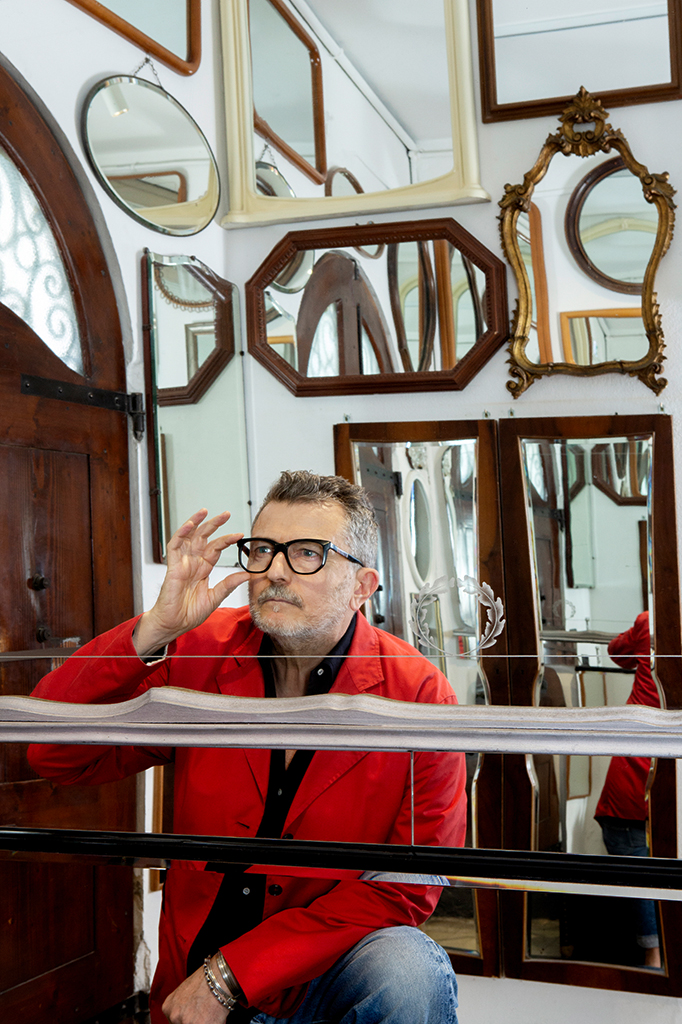
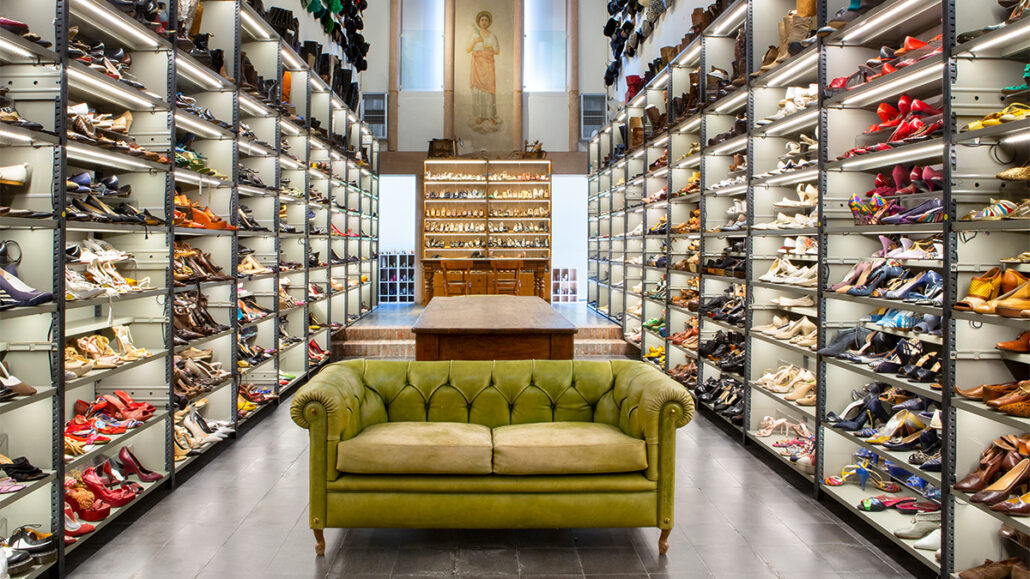
In the late 1970s, Angelo Caroli began dealing in used clothing—at a time when “secondhand” and “vintage” existed neither as terms nor as a market. Today, Angelo Vintage Palace spans both the retail business and an archive comprising 150,000 items. A conversation about new cycles, curatorial practice, and true value.
Interview: Janaina Engelmann-Brothánek. Photos: A.N.G.E.L.O., Ph. Manzotti
Angelo, what were the early days of your business like?
Angelo Caroli, founder and CEO of A.N.G.E.L.O.: I was 17 and selling shirts from the U.S. at school—button-down shirts, Hawaiian shirts, things you just didn’t see around here. From the very beginning, the selection was key for me: I didn’t just resell whatever came my way; instead, I decided, piece by piece, what worked and what didn’t. Another important step was washing the clothes. Back then, secondhand items were often sold in poor condition. It was clear to me: if you can wear a product right away, it completely changes how people perceive it. Later, I started traveling to Prato every week. There, I learned to recognize quality and value. I worked my way through vast quantities of used clothing and filtered out the pieces that worked. This kind of selection was basically what we’d call “curation” today.
When did the archive come into the picture?
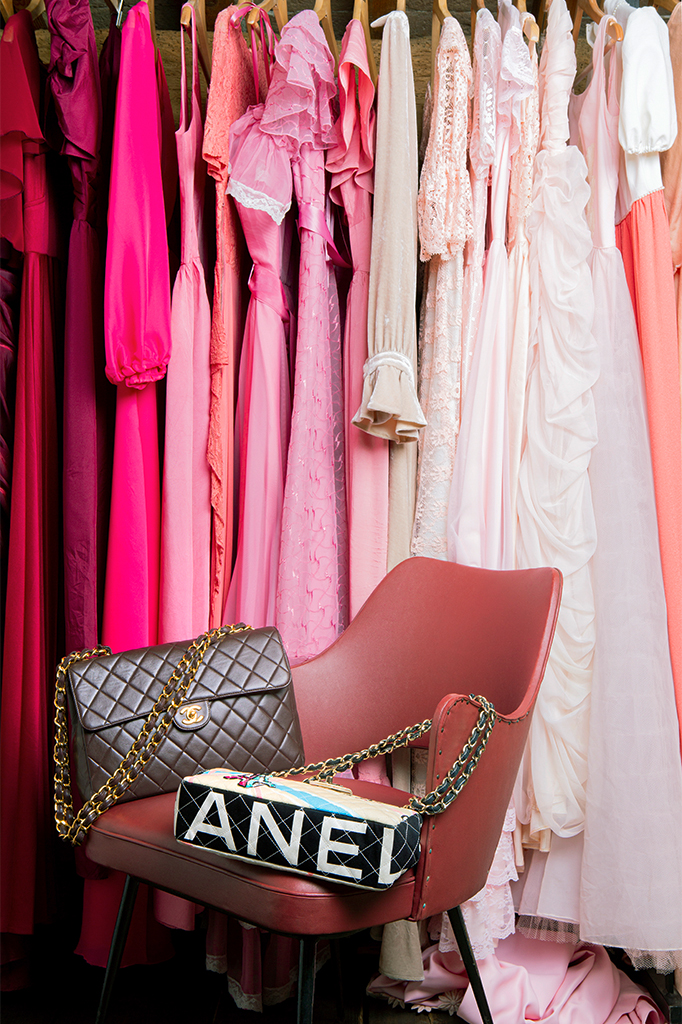
Relatively early on. There were always pieces that couldn’t be sold because they held a different kind of significance. I remember a dress from the 1920s that was lying in a warehouse as trash. It made me realize that there are things that shouldn’t simply be passed on. Today, our archive comprises around 150,000 pieces and serves as a workspace for designers and as a research platform for exhibitions and films. It’s not about owning things, but about making them interpretable.
You used toworked in retail. What role can Second Market play in the store?
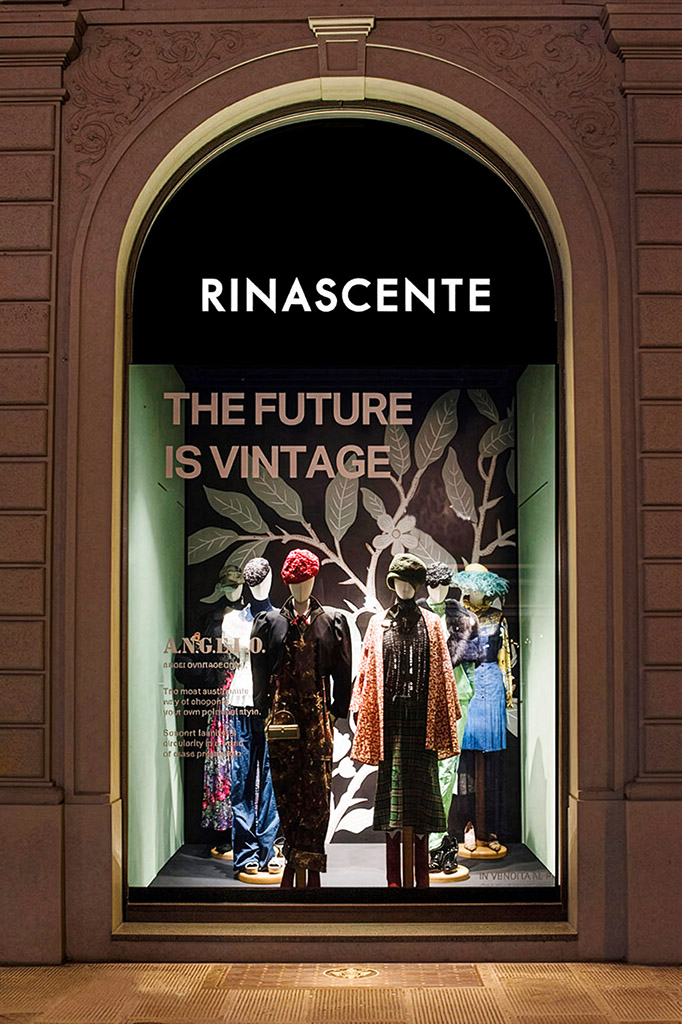
Projects with retailers such as Rinascente and McArthurGlen have shown that Second Market is not only an expansion of product offerings but also appeals to new target audiences. At the same time, a different rhythm emerges in the product offering. Products are viewed not merely as seasonal merchandise, but as part of a larger context. This changes not only how customers perceive the products, but also how long they stay and how they shop. First Market remains the foundation—after all, without it, there would be no Second Market. But the connection between the two is crucial. Second Market opens up additional dimensions. Many projects have shown that this generates economic added value.
What role does trust play in this?
A key one. The customer must understand what they are buying. Selection, quality, authenticity, and context are crucial. Especially when compared to online platforms, this makes the store a place that instills confidence.
What remains fforwhat is the most important thought for you?
A good product shouldn't disappear! It goes through cycles, changes context, and gains significance in the process. If the quality is right, it remains relevant—well beyond a single season.